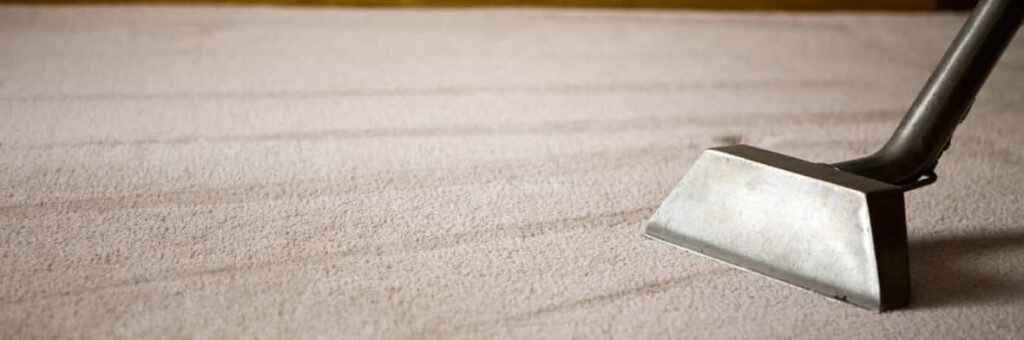
Carpets rarely age at exactly the same rate across an entire room. Areas beneath furniture or close to walls may retain much of their original appearance, while frequently walked routes can gradually become darker, flatter and noticeably different in colour. Doorways, hallways, stairs and the routes between regularly used areas are particularly prone to this change.
The reason is not simply that these parts of the carpet become dirtier. Repeated foot traffic affects carpet fibres physically, while soil, fine grit, oils and other residues are continually introduced and worked deeper into the pile. Over time, the combination of soiling and fibre distortion can create the familiar darkened pathways associated with heavily used carpets.
For homes and businesses in Sittingbourne, Kent, understanding the difference between accumulated soiling and permanent wear is important. Professional carpet cleaning can remove deeply embedded contaminants and improve the appearance of high-traffic areas considerably, but it cannot reverse physical fibre damage that has already occurred.
Why Do Carpet Traffic Lanes Become So Noticeable?
High-traffic areas experience several forms of repeated stress that quieter sections of carpet do not.
These commonly include:
- Frequent compression from footsteps
- Soil and fine particles being carried in on footwear
- Repeated movement of abrasive grit through the fibres
- Oils and residues transferring onto the carpet
- Greater exposure to spills and everyday contamination
- Carpet fibres gradually changing direction
- Flattening and distortion of the pile
- Dirt becoming more deeply embedded through repeated use
Because these effects occur in the same routes every day, the visual difference between heavily and lightly used areas gradually becomes more pronounced.
Foot Traffic Continually Compresses Carpet Fibres
Every step places pressure on the carpet pile.
Occasional foot traffic may have relatively little visible effect, but repeated movement over exactly the same route gradually compresses the fibres. Areas leading through doorways, around furniture and across the centre of frequently used rooms therefore receive considerably more pressure than areas close to walls.
As the pile becomes flatter, it reflects light differently.
This alone can make the carpet appear darker or lighter depending on the direction from which it is viewed, even before accumulated soil is considered.
Dirt Is Concentrated Along Regular Walking Routes
People tend to follow predictable routes through a room.
Rather than foot traffic being distributed evenly across the carpet, the same narrow areas are repeatedly used. These routes receive a greater concentration of soil transferred from footwear and surrounding surfaces.
As more particles accumulate, the traffic lane becomes increasingly visible.
Regular vacuuming can remove a substantial amount of loose surface debris, but fine contamination can gradually work deeper into the pile where ordinary household cleaning becomes less effective.
Fine Grit Can Contribute to Fibre Wear
Not all carpet contamination is immediately visible.
Very small particles of soil and grit can become lodged between fibres. As people continue walking over the area, these particles can move against the carpet pile.
Over time, this repeated mechanical action can contribute to wear.
This is one reason heavily used areas can continue looking different even after obvious dirt has been removed. Some of the change may result from physical alteration of the fibres rather than contamination alone.
Why Traffic Areas Often Look Grey or Dull
A common sign of heavy use is a grey or dull appearance along walking routes.
This can result from a combination of fine soil, compressed fibres and changes in the way the pile reflects light.
The carpet may therefore look as though its original colour has faded when part of the difference is actually caused by accumulated contamination and pile distortion.
Professional cleaning can help establish how much of the discolouration is removable soiling and how much represents permanent wear.
Oils and Residues Can Hold Onto Further Dirt
Not every contaminant entering a carpet is dry soil.
Small amounts of oily residue can be transferred from footwear, bare feet and everyday household activity. Once present within the fibres, these residues can attract and retain additional particles.
This can cause frequently used sections to become noticeably darker than surrounding carpet.
The effect can develop gradually, making it difficult to recognise how much the appearance has changed until furniture is moved or a lightly used section is compared with the main traffic route.
Carpet Pile Direction Changes With Repeated Use
The direction in which carpet fibres lie has a significant effect on appearance.
Repeated walking can push fibres in a particular direction or cause them to lose some of their original upright position.
Light then reflects from the altered pile differently from the surrounding carpet.
As a result, a traffic lane can sometimes remain visually apparent even when it is clean. What appears to be staining may partly be a structural change within the pile.
Stairs Experience Particularly Concentrated Wear
Stair carpets are subjected to highly concentrated foot traffic.
People generally place their feet within similar areas on each step, meaning the centre and front sections of the tread repeatedly receive substantial pressure.
The change in direction involved when climbing or descending can also place additional mechanical stress on the fibres.
As a result, stair carpets can develop flattened, dull or darkened areas considerably sooner than lightly used sections elsewhere in the property.
Doorways Create Natural Traffic Bottlenecks
Doorways concentrate movement into relatively narrow sections of carpet.
Regardless of the size of the room, almost everyone entering or leaving passes through approximately the same area.
These sections can therefore accumulate contamination faster and experience greater pile compression than the rest of the carpet.
Where two carpeted rooms connect, the flooring around the doorway may become particularly noticeable because it receives traffic from both spaces.
Furniture Can Create Clearly Defined Walking Routes
The arrangement of furniture influences where people walk.
Sofas, tables, beds and other large items naturally direct movement through particular routes. Over time, these pathways can become visibly different from the protected carpet beneath or immediately beside the furniture.
When furniture is eventually moved, the contrast can be striking.
The previously covered carpet may retain a fuller pile and cleaner appearance, highlighting how much regular foot traffic has affected exposed areas.
Why Vacuuming Alone May Not Restore the Appearance
Regular vacuuming is an important part of carpet care because it removes loose dry contamination before it becomes more deeply embedded.
However, vacuuming cannot necessarily remove all of the material that accumulates within heavily used carpet.
Fine soil, residues and other contamination can remain attached to or embedded around the fibres.
Vacuuming also cannot reverse permanent pile distortion.
This is why a carpet can be vacuumed regularly yet still develop increasingly visible traffic lanes over time.
Professional Carpet Cleaning Reaches Beyond Surface Soil
Professional carpet cleaning is designed to remove contamination that routine vacuuming may leave behind.
The appropriate cleaning process can loosen and extract deeply embedded soil from the carpet pile, helping restore a cleaner and more uniform appearance.
High-traffic areas often require particular attention because contamination is more concentrated within them.
The objective is not simply to make the surface look temporarily brighter. Effective cleaning should address the soil held within the carpet rather than only the most visible material at the top of the pile.
Cleaning Can Reveal the Difference Between Dirt and Wear
Before professional cleaning, it can be difficult to determine whether a dark traffic lane is primarily dirty or physically worn.
Often, both are present.
Once embedded contamination has been removed, the true condition of the fibres becomes easier to assess.
A heavily soiled area may improve substantially. If the fibres have also become permanently flattened, abraded or distorted, some visual difference may remain.
This distinction helps set realistic expectations about what professional carpet cleaning can achieve.
Can Professional Cleaning Reverse Carpet Wear?
Professional cleaning can remove soil and improve the appearance of carpet fibres, but it cannot recreate material that has physically worn away.
Where the pile has suffered permanent abrasion or significant structural change, cleaning will not return those fibres to their original condition.
This does not make cleaning ineffective.
Removing embedded contamination can still produce a considerable improvement and prevent the appearance from being made worse by accumulated soil. The important point is to distinguish cleaning from physical carpet restoration.
Why Earlier Cleaning Can Be Beneficial
Allowing traffic lanes to become extremely soiled means abrasive particles remain within heavily used areas for longer.
Routine vacuuming combined with periodic professional cleaning can help remove this contamination before it becomes increasingly embedded.
The aim is not to prevent normal ageing altogether. Every carpet experiences wear through use.
Instead, appropriate maintenance helps prevent avoidable soil accumulation from adding unnecessarily to the effects of everyday foot traffic.
Moving Furniture Can Expose Hidden Differences
A carpet can appear reasonably consistent while furniture remains in its usual position.
Once a sofa, cabinet or table is moved, the protected area underneath may reveal a noticeably different colour and pile condition.
This does not necessarily mean that the exposed carpet has dramatically changed colour through staining alone.
The protected section has simply experienced far less foot traffic, contamination, light exposure and fibre compression.
Professional cleaning can often reduce the contrast caused by soil, although differences created by permanent wear may remain.
Entrance Areas Often Need Greater Attention
Carpets close to entrances frequently receive higher levels of contamination because they are among the first indoor surfaces contacted by footwear.
Even when visible dirt is not being tracked inside, fine particles can still be transferred.
If the entrance also forms part of a regular route through the property, the combination of contamination and repeated compression can create noticeable wear relatively quickly.
Regular removal of dry soil is particularly useful in these areas because it reduces the amount available to become embedded deeper into the carpet.
Commercial Carpets Can Develop Defined Traffic Patterns
The same principles apply to carpets in commercial environments.
Entrances, corridors, routes between desks and frequently used shared areas can receive concentrated levels of foot traffic.
Over time, these sections may become visibly different from less frequently used areas.
Professional cleaning can therefore be particularly useful where maintaining a consistent presentation matters. Focusing attention on heavily trafficked areas while cleaning the carpet as a complete surface helps avoid treating obvious traffic lanes in isolation.
Cleaning the Complete Carpet Produces a More Balanced Result
Although traffic lanes may require additional attention, professional carpet cleaning should consider the surrounding carpet as well.
Cleaning only the visibly darkened strip can potentially leave an uneven appearance between treated and untreated sections.
Assessing the entire room makes it possible to understand how the heavily used areas compare with the rest of the carpet.
This helps achieve a more consistent result and makes it easier to identify any remaining differences caused by permanent wear rather than dirt.
Why the Correct Cleaning Approach Matters
Different carpets can contain different fibres, constructions and types of contamination.
A suitable cleaning method should therefore be selected according to the carpet rather than simply applying the strongest possible treatment to a dark traffic lane.
Professional assessment helps identify the carpet type, the degree of soiling and the nature of visible marks before cleaning begins.
This allows heavily used areas to receive appropriate attention without assuming that every darkened section has the same cause.
Regular Maintenance Helps High-Traffic Areas Stay Presentable
No cleaning programme can prevent a frequently used carpet from experiencing normal wear indefinitely.
However, routine maintenance can reduce unnecessary deterioration caused by accumulated contamination.
Frequent vacuuming helps remove dry particles, while professional cleaning can address material that has become more deeply embedded.
Paying particular attention to entrances, stairs, doorways and established walking routes can help maintain a more consistent appearance across the carpet.
Why Professional Carpet Cleaning Adds Value
The most heavily used sections of a carpet often contain a combination of visible soil, deeply embedded contamination and physical pile changes.
At K&S Carpet Cleaning Sittingbourne, we assess the carpet and its traffic patterns before determining an appropriate cleaning approach. Particular attention can then be given to heavily used areas while considering the condition of the carpet as a whole.
For homes and businesses in Sittingbourne, Kent, professional cleaning can help remove accumulated contamination, improve the appearance of established traffic lanes and provide a clearer indication of the carpet’s underlying condition.
Conclusion
High-traffic areas of carpet wear and discolour quickly because they experience repeated compression and receive a greater concentration of soil, grit, oils and everyday contamination. Over time, these factors can flatten the pile, alter how the fibres reflect light and create dark or dull walking routes that stand out from less frequently used areas.
Professional carpet cleaning can remove deeply embedded contamination and significantly improve many traffic-related appearance problems. However, permanent fibre wear cannot simply be cleaned away, which is why regular maintenance and timely professional cleaning can be valuable.
If the high-traffic areas of your carpet in Sittingbourne, Kent have become noticeably dull, darkened or heavily soiled, contact K&S Carpet Cleaning Sittingbourne. We can assess the carpet, professionally clean the affected areas and help achieve a cleaner, more consistent finish throughout the room.
Call us on: 01795 502 097
Click here to find out more about K&S Carpet Cleaning Sittingbourne
Click here to complete our contact form and see how we can help with your carpet needs.